
This post may contain affiliate links. Please read our disclosure policy.

Here’s everything you need to know about creatine for women, including benefits, dosing, and how it influences body composition and weight loss.

Creatine has grown in popularity over the few last decade, and for good reason. It’s one of the few supplements that has a wide variety of benefits for people of all ages—and actually lives up to the hype. It improves muscle growth and strength, exercise performance, and even supports cognitive function in older adults.
As more studies have come out focusing on the benefits of creatine for women, many women have starting taking it to support their fitness and longevity. So, is it right for you? Here’s everything you need to know about creatine and how it works, and the best way to incorporate into your day.
Jump to:
What is creatine?
Creatine is a non-essential amino acid produced naturally in the body. It’s actually made from three amino acids, specifically arginine, glycine, and methionine. While it’s primarily found in muscle cells, it’s also stored in the brain.
The body uses creatine to produce adenosine triphosphate (ATP), the main energy source for cells, particularly during physical activity. ATP helps muscles flex and contract, and plays an important roll in muscle growth and recovery.
About one gram of creatine is produced daily in the liver, kidneys, and pancreas. Creatine is also found in foods like red meat, fish, and poultry, but they typically provide about 1-2 grams of creatine per pound. Creatine supplementation tends to make it much easier and more practical to get the recommended 3-5 grams per day.
While previously thought of as something just for the gym bros, studies show creatine supplementation can benefit a wide variety of people, including women. It can support people who are active, sedentary, elite athletes, and older adults.
How does creatine work?
Creatine works by increasing your body’s ability to produce energy within cells, specifically adenosine triphosphate (ATP). Your body uses ATP for muscle contractions and quick bursts of energy, but it’s depleted rapidly. When ATP is used up, your muscles fatigue and can no longer contract.
The body stores creatine in cells mostly as phosphocreatine, which acts as a readily available energy reserve. During activity, phosphocreatine helps your body regenerate ATP more quickly.
When cells are able to produce more energy, exercise performance, strength, and endurance improves. In other words: you’re able to work harder for longer.
Is creatine good for women?
Creatine isn’t just for gym bros. While the majority of studies have been done on men, new research shows creatine can positively influence mood, muscular strength, exercise performance, recovery, and cognitive function in women. And in post menopausal women, creatine can help improve body composition and bone mineral density, specifically when combined with strength training.
Women naturally produce around 70-80% less creatine compared to men, which means women have significantly lower creatine stores. Also, women tend to eat less creatine overall, which can negatively impact reproductive health.
While more research is needed, estrogen seems to influence creatine levels, specifically during the menstrual cycle. When estrogen is low, creatine availability tends to be lower. This might explain why women struggle with brain fog or fatigue just before the menstrual cycle begins or during perimenopause.
Creatine is well-researched, safe, and effective for women in and out of the gym. Because women have lower creatine stores, supplementation may actually be even more beneficial for women.
Creatine For Women Over 40
Women over 40 may benefit from creatine the most. As you age, you naturally lose muscle mass and strength, which contributes to fragility. Studies show creatine may help support muscle mass, strength, exercise performance, and recovery when combined with resistance training in women. Even more profound, creatine may reduce age-related muscle loss and enhance bone density without resistance training, specifically in women over age of 40.
Compared to men, women produce about 70-80% less creatine, leading to significantly lower creatine stores. Additionally, studies show estrogen may influence creatine levels. When estrogen is low, creatine availability tends to be lower. During perimenopause when estrogen is low, insufficient creatine may contribute to symptoms such as brain fog, mood changes, and fatigue.
Creatine also enhances cognitive function and memory, specifically in older adults. Because creatine helps fuel brain cells, it can help women stay stronger and sharper for longer.

Benefits of Creatine For Women
Creatine can be beneficial for women in a variety of ways. While the research is new and more is needed, the findings are promising:
- Improves Strength, Endurance, and Recovery: Creatine is a game-changer for women who are active—it helps build muscle and strength, improves exercise performance, and supports recovery. In fact, research shows creatine might be especially helpful for women since stores are naturally lower.
- Increases Lean Body Mass: Studies show creatine can increase lean body mass when combined with resistance training. It’s also been found to help reduce age-related muscle loss and bone density without resistance training, which makes it great for women regardless of activity level.
- Enhances Cognitive Function and Memory: Creatine may enhance cognitive function, memory, and keep mental fatigue at bay. Since the brain uses a ton of energy, creatine steps in to fuel those brain cells, specifically for older populations when creatine stores decline.
- Supports Injury Prevention: Regular creatine supplementation may speed up recovery time between exercise by mitigating muscle damage. Not only that, studies show it may help support post-injury rehabilitation, making it great for women regardless of age or athletic ability.
- Improves Mood and Reduces Fatigue: After sleep deprivation, creatine may help improve mood and reduce symptoms of fatigue. New research also shows just a single dose of creatine can improve cognitive performance after a poor night’s sleep.
Dosing
The recommended dose for both men and women is 3-5 grams per day. Research shows this daily dose will fully saturate muscle cells within 3-4 weeks.
Most women can benefit from starting with just 3 grams of creatine daily. At this dose, it’s unlikely you’ll experience negative symptoms, such as water retention or digestive distress. If you do experience symptoms, you can take two separate doses of one gram per day—once in the AM and PM—and work your way up to taking 3-5 grams as needed.
If your goal is to maximize athletic performance, you may want to take 5 grams of creatine daily. You can take it pre or post-workout, or whenever it fits into your schedule. The most important thing is to take it daily, even on days you don’t workout.
What type of creatine is best?
There is no question about it—creatine monohydrate is the most extensively studied and clinically effective form of creatine. Because the majority of studies use creatine monohydrate, it has a proven track record of safety and performance. It’s also cost effective and widely available.
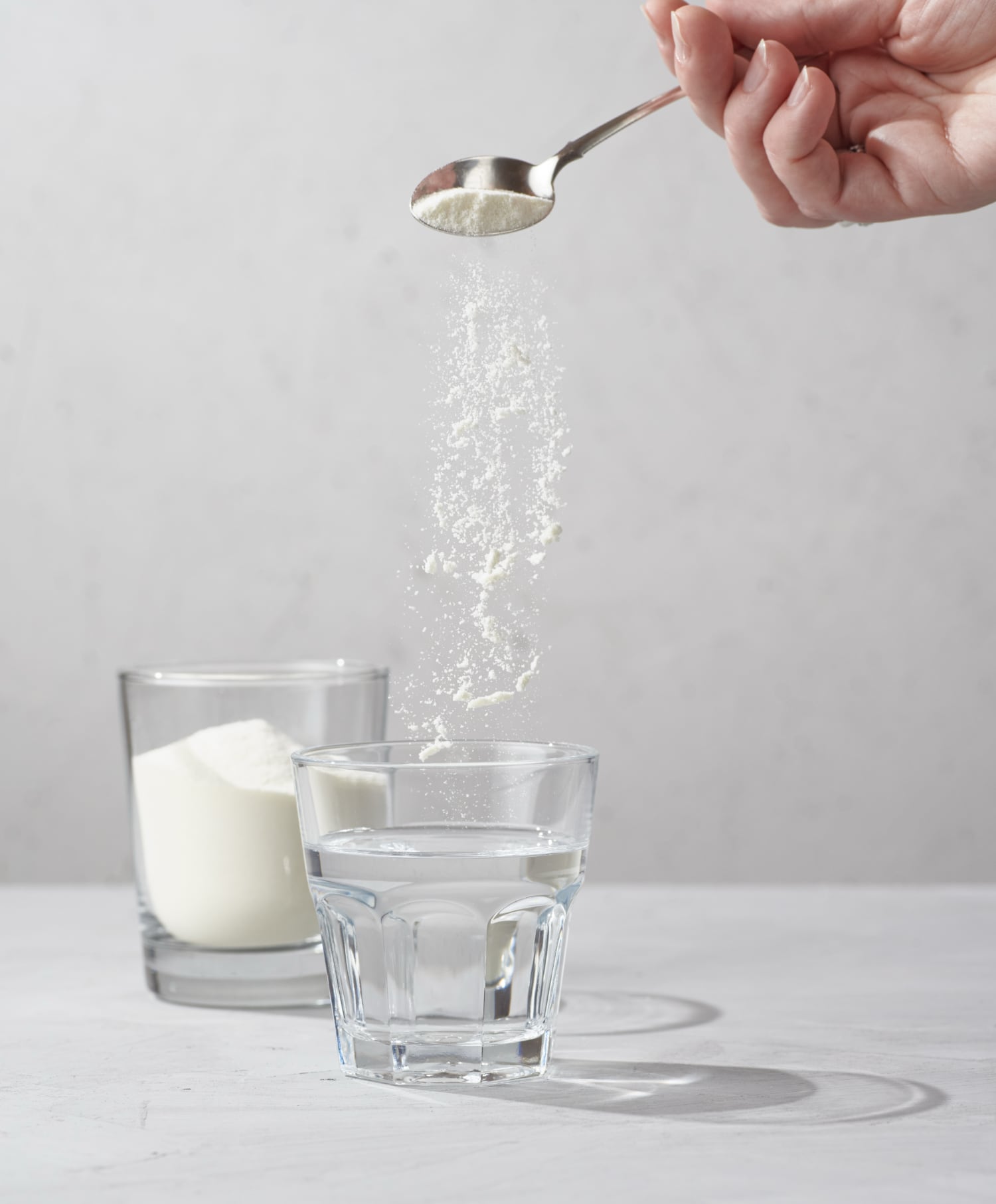
If you struggle with digestive issues, try micronized creatine monohydrate. When creatine monohydrate is micronized, it’s broken down into a smaller particle size to improve absorption and reduce digestive distress. It also mixed incredibly well and is totally tasteless.
Side Effects
Creatine is incredibly safe and there are little to no side downsides associated with creatine supplementation. Because creatine is a natural substance—what the body doesn’t need, it excretes.
In fact, a large review of 656 studies—58 of which were female-only studies—found no serious adverse effects with creatine supplementation in women. Research has shown no evidence that creatine causes acne, headaches, or high cholesterol. It doesn’t seem to interfere with sleep, and there’s little to no evidence linking it to hair loss.
While creatine doesn’t impact healthy kidney function, it’s important to speak with your doctor before taking creatine if you have pre-existing kidney disease or are pregnant or breastfeeding.
Does creatine make you gain weight?
Creatine does not make women gain weight. Creatine is osmotically active, meaning it draws water into muscle cells as it becomes more concentrated. For some people, this may result in a small uptick in scale weight. An increase in water retention is temporary and typically resolves within a few weeks.
Water retention is more common with creatine “loading” which involves taking 15-20 grams of creatine for 5-7 days to saturate muscle cells quicker. Supplementing with a standard dose of creatine—around 3-5 grams per day—will help mitigate any side effectives.
Does creatine help with weight loss?
Creatine itself doesn’t directly cause weight loss, but it can support weight management in a few ways. By supporting an increase in muscle mass and strength, creatine can help boost your metabolism and improve insulin sensitivity and blood glucose control. It also improves workout performance, allowing women to push harder during exercise, potentially leading to improved body composition overtime.
Studies also show creatine can help combat age related muscle loss, which can support lean body mass as you age.
While creatine may cause a small increase in water weight initially, this isn’t fat, and the overall benefits for muscle growth and recovery outweigh the impact of temporary water retention.
Does creatine make you bloated?
Creatine may promote an increase in water retention, which can feel like bloating for some individuals. While not common, this is temporary and typically resolves within a few weeks. If you experience digestive distress with creatine supplementation, try decreasing your dose. Consider using micronized creatine monohydrate, which is broken down into a smaller particle size to improve absorption and reduce digestive distress.
Creatine FAQs
When should I take creatine?
You can take creatine whenever it’s best for you, including before or after a workout. Some experts recommend taking it post-workout to improve absorption, but research is inconclusive. For best results, make sure to take it daily to keep cells fully saturated with creatine.
Do I take creatine on days I don’t workout?
It’s best to take creatine daily, even on the days you don’t workout. This helps your cells maintain creatine stores, which is key to maximizing the benefits.
Can you take creatine even if you don’t workout?
Yes, you can take creatine even if you don’t workout! Creatine is a naturally occurring compound found mostly in muscle and brain cells. Even if you aren’t working out, creatine may improve muscle recovery with daily activity, like walking or climbing stairs. It’s also been shown to enhance cognitive function and reduce age-related muscle loss without resistance training. If you don’t exercise, the main benefits of creatine supplementation, like enhanced muscle growth and strength, may not be as noticeable.
How do I mix creatine?
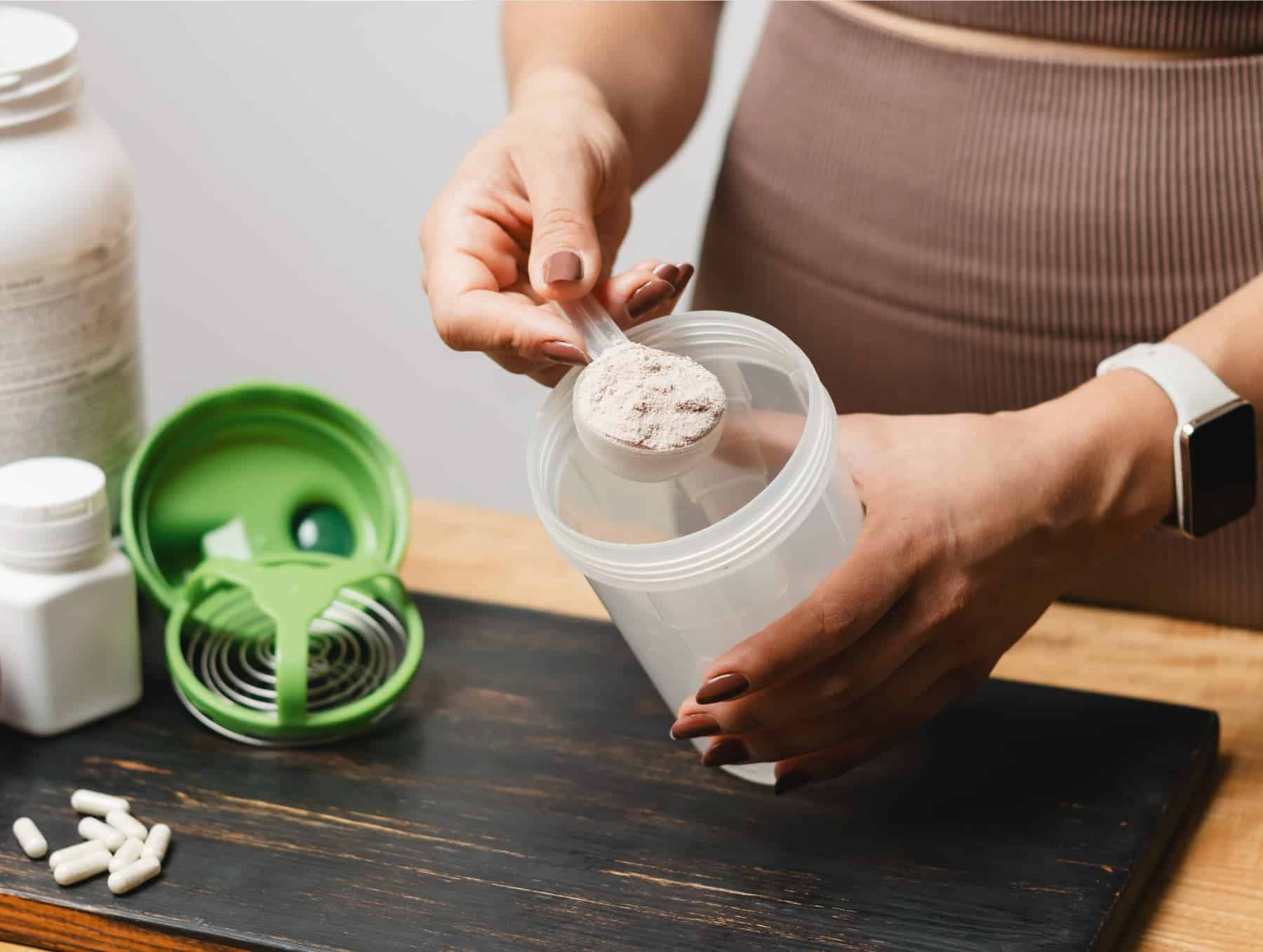
Creatine monohydrate is completely tasteless, so you can add it to any drink or liquid without altering the flavor. Add a scoop to your water, protein shake, or smoothie and mix to incorporate.
Should I add anything to creatine when I take it?
The vast majority of research on creatine focuses on the effects of creatine supplementation alone without anything else. Research shows that taking creatine with carbohydrates can help improve absorption because it spikes insulin. But doing so doesn’t necessarily improve exercise performance.
Should I take creatine?
If you’re looking to improve lean body mass, muscle strength, endurance, or recovery, creatine can be a great addition to your routine. Creatine is especially helpful for people who are active or exercise regularly. If you want to maximize your time in the gym—creatine is a no brainer.
Keep in mind: Creatine isn’t just for people who workout. It’s been shown to reduce age-related muscle loss, improve fatigue, and enhance cognitive function even without resistance training. And it can help improve energy and performance in daily activity, whether that’s walking, climbing stairs, or doing post-injury rehabilitation.
The best way to move forward? Start with 3-5 grams of micronized creatine monohydrate daily, and see how your body responds!
The Bottom Line
- Creatine is incredibly beneficial for women. It supports muscle strength, lean body mass, exercise performance, and recovery when paired with resistance training.
- Creatine can enhance cognitive function and prevent age-related muscle and bone loss in women over 40, even if you don’t workout.
- The recommended dose for men and women is 3-5 grams per day. A great place to start is 3 grams daily.
- You can take creatine whenever it works best for you. The most important thing is to take it daily, even on days you don’t workout.
- While there’s a small chance of experiencing temporarily water retention, creatine does not cause weight gain in women.
- Creatine is one of the most well-researched and effective supplements. There are little to no downsides associated with supplementation.
More Resources
- 8 Different Types Of Magnesium & Which To Take
- LMNT Electrolytes Review: Best & Worst Flavors
- Magnesium Lysinate Glycinate: Benefits, Uses, and Side Effects
- Homemade Electrolyte Drink



 Leave a Comment!